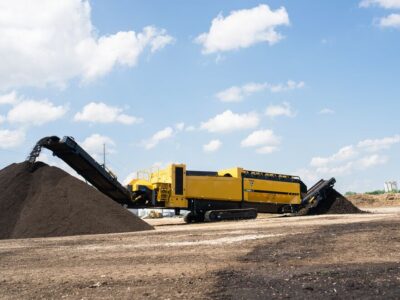
If you run a mulch yard, compost facility or aggregate operation, you already know the value of a trommel screen. But when it comes time to add capacity or replace an aging machine, there’s a question worth asking: should your next trommel screen be on tracks?
Tracked trommel screens aren’t new to the market, but they’re gaining traction with operators looking to squeeze more productivity out of their jobsite without adding labor. The Vermeer TR6500TX is a new tracked unit in the Vermeer trommel screen lineup, and it’s built around a simple idea: move the machine, not the material.
So how do you know if tracked mobility is worth the investment for your operation? Here are the factors to consider.
How often do you reposition your trommel screen?
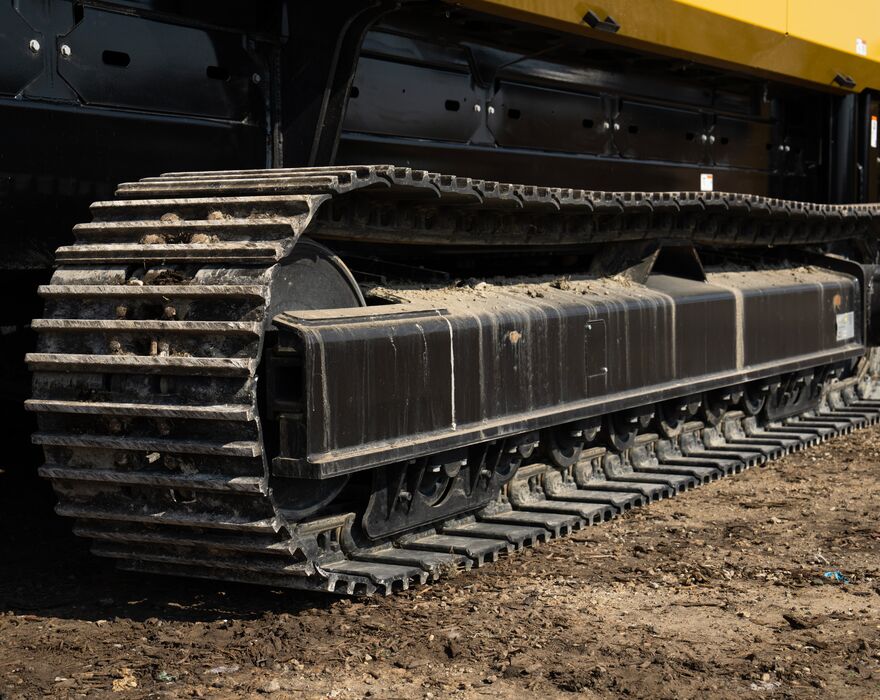
This is the first question to ask. If your trommel screen sits in one spot and material comes to it, a trailer-mounted unit may be all you need. But if you’re regularly using a loader to shuttle material across the yard to the trommel or utilizing a truck to trailer the machine to a new position every few days, those trips add up in loader hours, fuel and lost screening time.
There’s a quality factor, too. When a loader can’t keep pace with the trommel, the hopper runs low and the drum starts cycling partially empty. That may lead to more spearing and lower screening quality.
A tracked trommel screen like the TR6500TX can be repositioned on-site without a trailer hookup or extra equipment. Instead of bringing material to the machine, you bring the machine to the material. Over the course of a week, that can help reduce loader trips and keep material flowing more efficiently.
Can one person operate your trommel screen?
Labor availability is one of the biggest challenges facing recycling and composting operations today. If you’re running lean crews, equipment that requires fewer people to operate can make a noticeable difference in your day-to-day productivity.
The TR6500TX is designed to be tracked, set up, operated and optimized by one person. The full-function wireless remote allows for adjustments to belt and drum speed and full control of radial fines and overs conveyors, so operators can maintain screening quality as conditions change. A digital drum working angle readout and optional outriggers allow a single operator to level the machine and set the drum angle with precision.
“The TR6500TX was designed for operations where mobility and labor efficiency matter,” said Jay Van Roekel, product manager for Vermeer environmental equipment. “One person can track it into position, set the drum angle and start screening. That’s a big deal for crews that are already stretched thin.”
If you’re in a position where adding labor isn’t realistic, a tracked trommel screen with robust remote capabilities can help your existing crew screen more material.
What throughput should you expect from a tracked trommel screen?
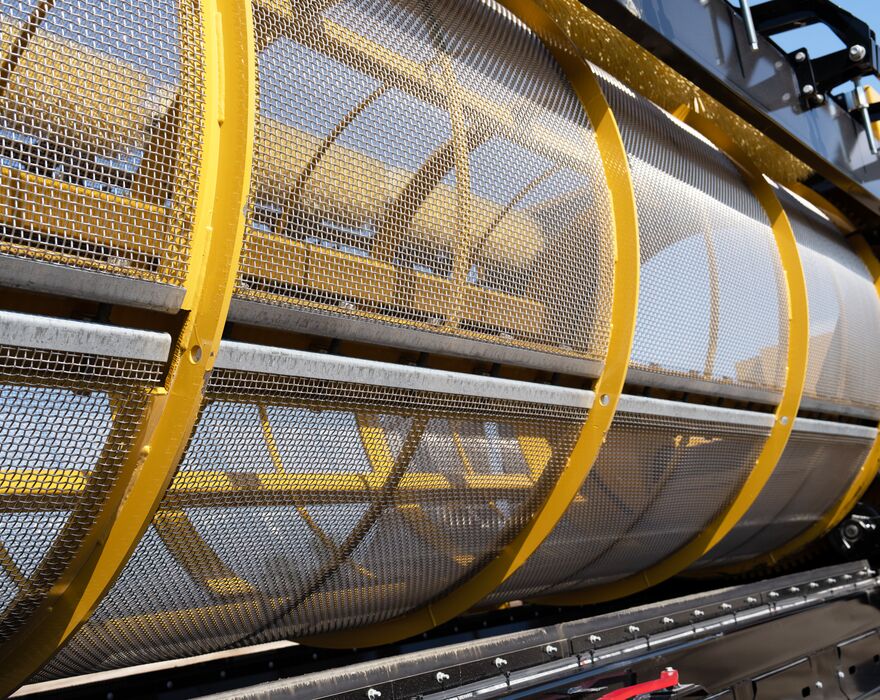
Tracked mobility is a major differentiator, but it doesn’t mean much if the screening performance doesn’t match your production goals. The TR6500TX shares the same 6.5-ft (2-m) diameter, 20-ft (6.1-m) long drum found in the TR6400 and TR6450 trommel screens, with throughput capacity of up to 180 cu yd (137.6 m3) per hour.
The hopper capacity ranges from 7 to 13 cu yd (5.4 to 9.9 m3), with a low feed height of 9.4 ft (2.86 m) at a 5-degree operating angle. An optional grizzly screen attaches to the hopper to help remove oversized rock and other contaminants before material enters the drum. The quick-change tension screen system allows operators to swap individual panels without replacing the entire drum, saving the cost of stocking multiple drum sizes. Compared to traditional steel panels, the tensioned wire system maximizes open screen area for optimal throughput.
For operations processing wet or sticky materials, an optional dual brush system can help maintain screen panel cleanliness and boost product quality. An optional drum cover and overs belt conveyor cover provides dust containment for operations in windy environments or near residential areas.
How does a trommel screen help control dust and material loss?
Dust and material loss are more than a nuisance. For operations near populated areas or under environmental regulations, they can become a costly concern. If you’ve ever watched fines blowing across the ground around your stockpiles, that’s material loss and income loss for your business.
The TR6500TX is designed with adjustable discharge conveyors for both fines and overs that can be raised or lowered, allowing operators to position them closer to the pile. The radial fines conveyor offers 180 degrees of rotation and adjustable discharge height, so operators can build larger stockpiles before needing to reposition.
These aren’t features exclusive to tracked trommels, but the combination of conveyor adjustability and on-site mobility means the TR6500TX can be fine-tuned and repositioned to adapt to changing wind conditions or shifting material piles throughout the day.
Tracked trommel screen vs. trailer-mounted: what fits your business?
The TR6500TX shares the same drum as the trailer-mounted Vermeer TR6400 and TR6450 trommel screens. That’s worth noting because it means operations already running a TR6400 or TR6450 can standardize screen inventory across their fleet, regardless of which chassis they choose.
Here’s how to think about the decision:
- A trailer-mounted trommel screen may be the better fit if you rarely need to reposition the machine on-site and you want to keep upfront costs lower.
- A tracked trommel screen may be worth the investment if you regularly reposition your screening equipment, operate across multiple areas of a large yard, run lean crews or want the flexibility to move between jobsites without a trailer.
Neither option is universally better. The right choice depends on how your operation runs day to day.

What to look for in a tracked trommel screen
If you’ve decided tracked mobility makes sense for your operation, there are a few things to evaluate beyond the undercarriage:
- Remote control capability. A full-function wireless remote allows one operator to manage the entire machine from the loader cab. The TR6500TX includes this standard.
- Drum drive system. The TR6500TX uses a hydraulically driven cog and chain drum drive that creates positive traction, maximizing horsepower transfer while helping prevent slippage.
- Maintenance access. Large side doors on the TR6500TX provide ground-level access to the drum body, screen panels, trunnion rollers and other key components. The machine also integrates with VermeerOne™ for remote monitoring of machine health and performance data.
- Dealer support. No matter which trommel screen you choose, having a dealer with dedicated recycling and forestry specialists can help you get the most out of your investment. Vermeer dealers with Recycling and Forestry specialists can help you evaluate your operation, configure the right machine and provide ongoing support.
Ready to evaluate a tracked trommel screen for your operation? Contact your local Vermeer dealer to discuss whether the TR6500TX is the right fit.
Vermeer Corporation reserves the right to make changes in engineering, design and specifications; add improvements; or discontinue manufacturing at any time without notice or obligation.
Equipment shown is for illustrative purposes only and may display optional accessories or components specific to their global region.
Please contact your local Vermeer dealer for more information on machine specifications.
Vermeer, the Vermeer logo, Equipped to Do More and VermeerOne are trademarks of Vermeer Manufacturing Company in the U.S. and/or other countries.
© 2026 Vermeer Corporation. All Rights Reserved.