What to consider when creating an equipment replacement plan
In a perfect world, ice cream would always be in the freezer, we’d all have an extra day off to go fishing and our equipment would last forever. In the real world, though, we eat that pint in one-sitting, there’s never enough time to get to the lake and equipment inevitably needs upgrading.
The key to managing your fleet is to establish an equipment replacement plan that works for your business.
Methods for replacement
The decision on when to replace equipment is based largely on the owner’s preference and maintenance practices. Some contractors choose to replace a machine based on the number of operating hours. Others work off more of a calendar approach and replace equipment in intervals like three, five and eight years.
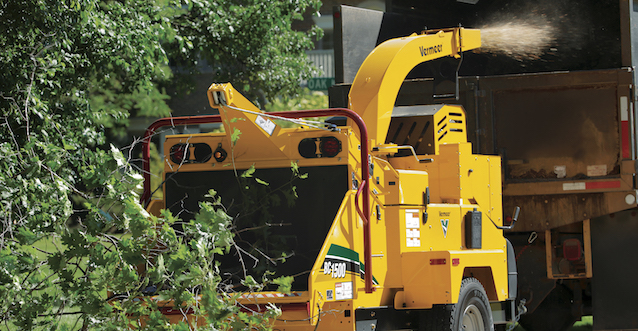
Obviously for brush chippers, the type and volume of material being processed should be factored in to your equipment replacement plan. The combination of total hours and level of demand can lead to varying philosophies on when an upgrade should be considered.
Larger material may lead to more wear than small branches. On the other hand, you might be a company that processes mainly small material but puts significant operating hours on the machine. In that case, you might need to replace your equipment more frequently than a company that processes larger material on a less-frequent basis.
Delaying purchase might cost you
Another important tool for effectively managing the efficiency and productivity of your equipment fleet involves recognizing the point in their life cycle when they are no longer operating at peak efficiency. Delaying the retirement of a well-used machine in lieu of investing in new equipment as a cost-savings measure may have the opposite result. It is important for owners to weigh the costs and benefits of maintaining an older model machine versus investing in a new one.
Some brush chipper components to consider include the drum, cutter drive, discharge and hydraulic systems. Consult the manufacturer’s operator’s/maintenance manual for the recommended maintenance schedule. Following the manufacturer-recommended maintenance guidelines can help keep the chipper operating efficiently.
Supply and demand
Another factor to consider in your equipment replacement plan is the market for used chippers. There is a tremendous demand for chippers that are still in good condition and have retained their productivity. A well thought-out equipment replacement plan can help you to maximize your investment and to know when it’s time to upgrade. Owners can trade in their well-kept older equipment for a new machine with advanced features and technology. A little extra planning up front can go a long way in helping you run an efficient, cost-effective fleet.