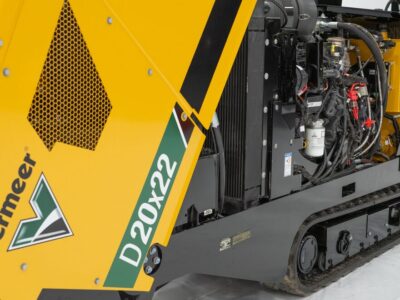
Maintenance is often an overlooked aspect of horizontal directional drilling (HDD), and it can be expensive when neglected. Proactive maintenance typically costs far less than reactive repairs, and unplanned downtime means lost productivity. The good news: many common maintenance tasks are straightforward and can be handled daily or weekly by operators. Beyond routine maintenance, understanding how key systems work can help you troubleshoot issues in the field and communicate more effectively with service technicians.
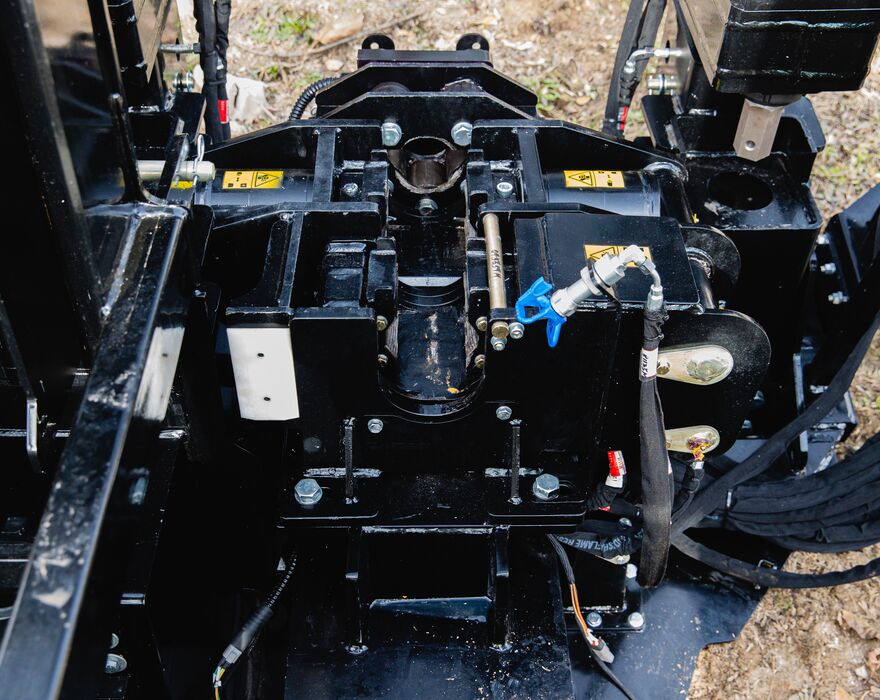
Directional drill vise maintenance
The vise gets used on every single rod, drilling out and pulling back. This constant use makes it critical to maintain.
What to watch for:
- Dirt packing between the teeth of the vise dies
- Flat or damaged tooth profiles that cause slipping
- Excess grease buildup mixed with dirt and copper coat
- Seized or worn guide rollers or slides.
Maintenance tasks:
- Clean vise dies daily with a wire brush or wash wand to remove packed dirt
- Grease the vise daily (grease is not copper coat, they serve different purposes)
- Keep the entire vise area clean
- Check that guide rollers spin freely and grease them regularly
- Verify rod alignment between front and rear vise
Why it matters: Properly maintained vise dies can last significantly longer. Seized guide rollers create friction that can trigger the Strike Alert or cause unnecessary rod wear.
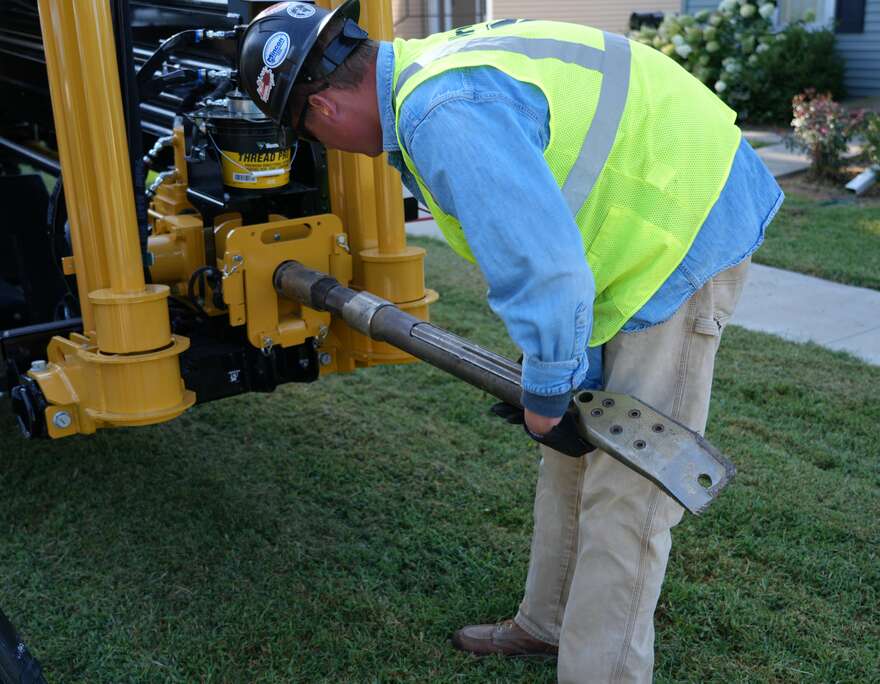
Sub saver inspection and replacement
The sub saver touches every drill rod and is one of the most neglected maintenance items. A damaged sub saver will transfer that damage to every rod it contacts.
Signs of wear:
- Jagged edges on threads
- Rounded thread profiles
- Sharp thread edges
- Charred or chipped shoulders
Maintenance tasks:
- Check threads daily, the sub saver comes in front of you with every rod
- Use a thread profile gauge for accurate assessment
- Clean threads with brake cleaner to inspect them properly
- Replace at regular intervals (250 hours recommended) whether it looks worn or not
- Apply thread-locking compound when installing a new sub saver
Why it matters: A bad sub saver can ruin an entire basket of drill rod. If your rods are wearing out quickly, check the sub saver first.
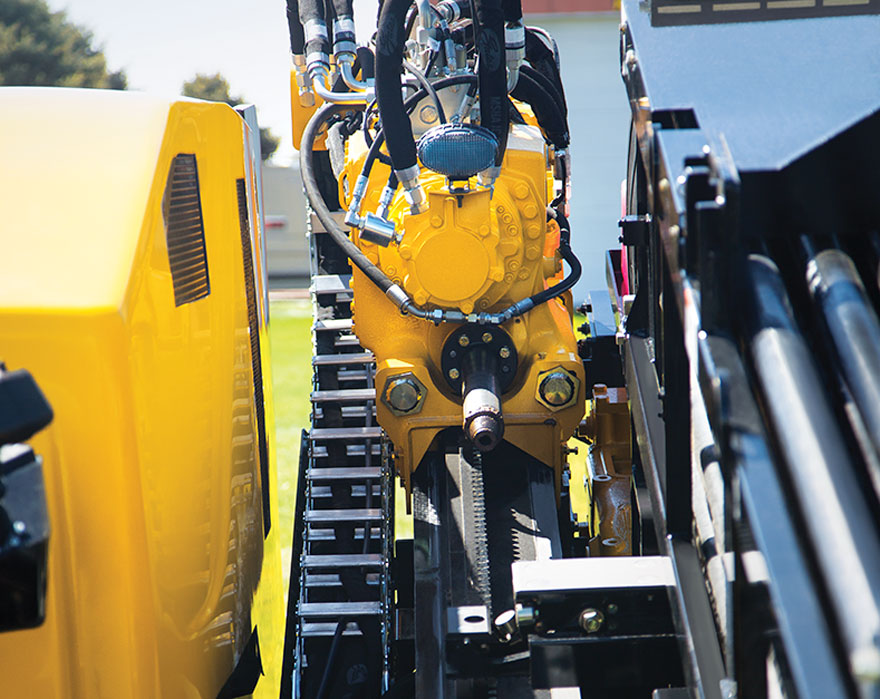
Carriage and slide maintenance
The carriage carries the gearbox up and down the rack. Slides and rollers on the carriage require regular attention.
Key maintenance points:
- Check and adjust slide tightness weekly on adjustable models
- Watch for excessive gearbox movement that could damage the rod box
- Flip non-adjustable slides when worn to extend their life
- Keep the rack clean, as a dirty rack acts like sandpaper and speeds up wear. It’s important to use a quality rod wiper to help clean rods and prevent mud from dripping onto the rack.
Thrust and rotation encoders
Encoders track carriage movement and gearbox rotation. The thrust encoder counts how many inches the carriage travels up and down the rack. The rotation encoder counts gearbox rpms. This data displays on your screen and powers AutoDrill functions like knowing where to stop for breakout points.
Common issues:
- Set screws loosening and gear falling off
- Encoder mount breaking
- Gear slipping on the pinion
Why it matters: If you use AutoDrill or rely on display information for breakout points, working encoders are essential.
Stakedown maintenance
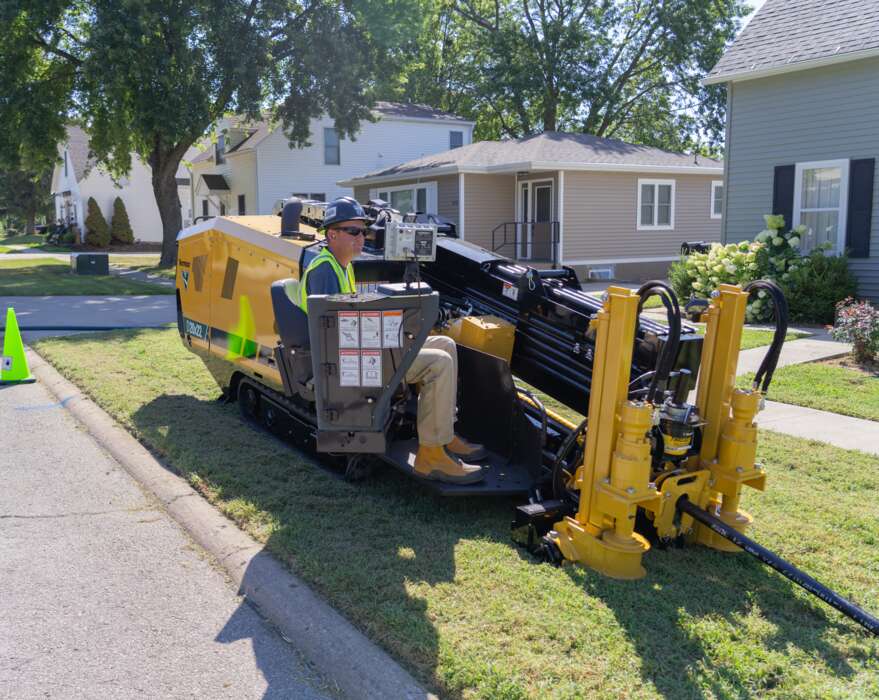
Stakedowns require minimal maintenance but can develop problems over time.
Common issue: Leaking drive motors or planetary motors. This typically happens when operators push too hard against the stake while it is in the ground, putting excessive force on the motor shaft and damaging seals.
Prevention options:
- Reduce pushing force when possible
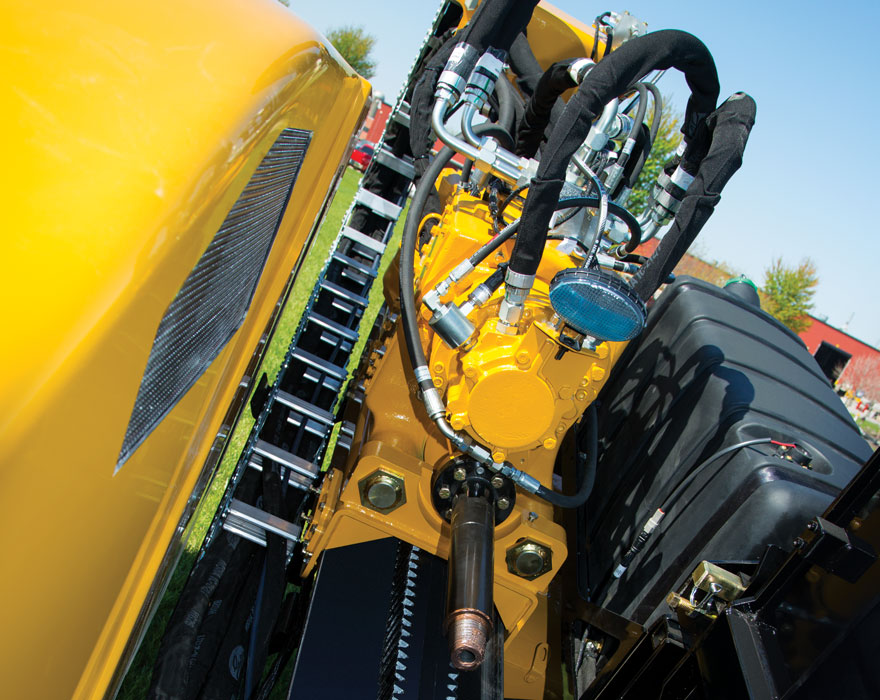
Rod loader alignment and care
The rod loader does the heavy lifting that operators once did by hand. Proper maintenance protects both the loader and your drill rod.
Alignment checks:
- Verify rods line up correctly with each row position in the rod box
- Check alignment with the sub saver at the back
- Check alignment with the rod in the ground at the front
Maintenance tasks:
- Keep the rod loader clean
- Check slides underneath and on top
- Replace magnets when worn; do not rotate rods on magnets as this wears them into a concave shape
- Replace top pads when they begin eating into the bolts
Why it matters: Misalignment damages rod box corners (preventing rods from dropping) and damages threads during makeup.
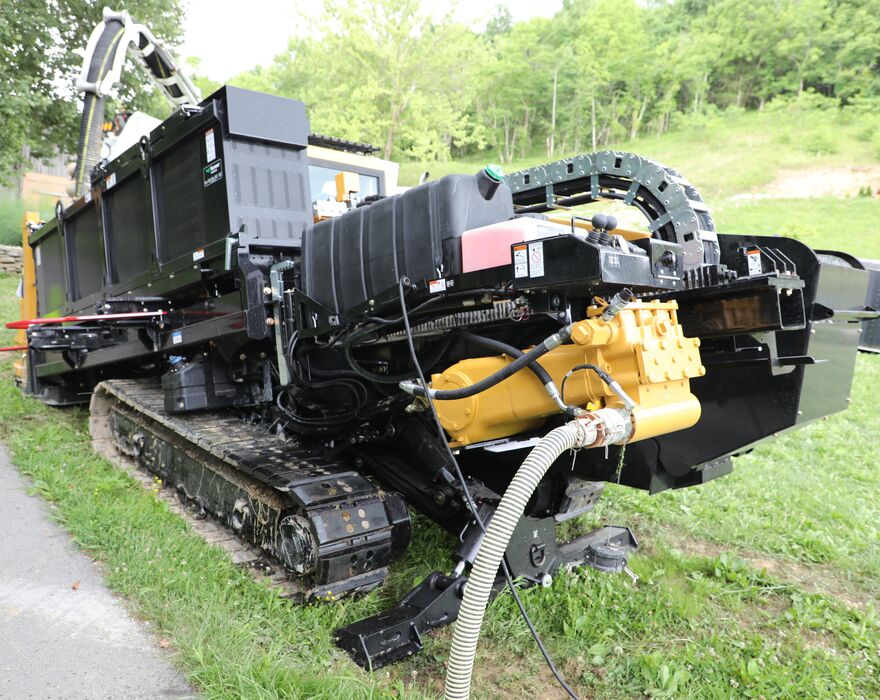
A little attention to the mud pump goes a long way. Keeping the system clean and protected from freezing can help you avoid unplanned downtime.
Daily maintenance:
- Flush the system at the end of each day with clean water
- Run water through until you see clear water coming from the drive chuck
- Check suction and discharge valves for pebbles or debris
Why flush daily: Bentonite and drilling additives dry overnight and become clumpy. Starting the pump the next day with dried material accelerates seal wear and shortens piston life.
Winterization:
- Use quality antifreeze rated well below your expected temperatures
- Verify the color coming out matches the color going in, diluted antifreeze will not protect adequately
- Be cautious with inexpensive antifreeze products that may not perform as rated
- Remember: it may be 50° F (10° C) today, but damage from freezing two weeks ago can show up later
Common failure signs:
- Pump only builds half pressure; check for stuck or missing valves
- Cracked housings are almost always caused by freezing
Directional drill engine maintenance
Today’s diesel engines have become more complex. Following the manufacturer’s maintenance schedule is essential.
Daily checks:
- Engine oil level
- All filters, fuel, air, crankcase and others
Regeneration:
- When the machine requests a regen, let it complete the cycle
- Regens may take 20-45 minutes
- Ignoring regen requests eventually leads to a derated engine
A derated engine requires a service technician with specialized tools to perform a forced regeneration
Winter note: Crankcase filters can accumulate water that freezes in cold weather, triggering high-pressure faults.
Fault codes
When fault codes appear, capturing accurate information helps service technicians diagnose problems quickly.
Best practices:
- Take a picture of the fault code screen
- Record the SPN (Suspect Parameter Number) and FMI (Failure Mode Identifier) numbers
- Scroll through all codes; there may be multiple (one screen might show “1 of 5”)
- One root cause can trigger multiple secondary codes. Vermeer is integrating on-rig diagnostics with prescriptive troubleshooting steps on the latest generation of drills like the D24.
The case for planned directional drill maintenance
The most common reasons operators skip maintenance are cost and time. Neither argument holds up when you compare uptime versus downtime.
- Unplanned repairs typically cost two to three times more than preventive maintenance
- Regular service visits catch problems before they become failures
- You can decide which repairs to make immediately and which can wait, but at least you know what is coming
Your drill is how you make a living. A small investment in regular maintenance protects that earning capacity. Talk with your Vermeer dealer about maintenance options that fit your operation.
Vermeer Corporation reserves the right to make changes in engineering, design and specifications; add improvements; or discontinue manufacturing at any time without notice or obligation. Equipment shown is for illustrative purposes only and may display optional accessories or components specific to their global region. Please contact your local Vermeer dealer for more information on machine specifications.
Vermeer, the Vermeer logo and Equipped to Do More are trademarks of Vermeer Manufacturing Company in the U.S. and/or other countries.
© 2026 Vermeer Corporation. All Rights Reserved.