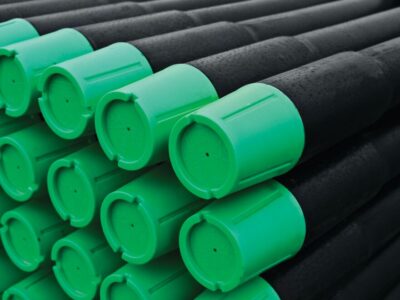
For utility horizontal directional drilling (HDD) contractors, drill rod is one of the easier purchases to make on autopilot. The thread fits, the diameter is right, the price lands and it ships on time. That is usually enough to keep the rack full and the crew moving.
The problem is that a rod that technically fits is not the same as a rod that performs. That gap shows up in how consistently connections make up under torque, how predictable steering feels across varying ground conditions, how stable fluid flow stays during a bore and how often a crew loses time to problems that may be preventable. None of those show up in a price-per-stick comparison, and all of them affect productivity.
For contractors running utility-sized drills, the equipment used for the majority of conduit, fiber, gas and water work across the country, treating drill rod as a purchasing strategy rather than a routine expense can be one of the faster ways to reduce field variability.
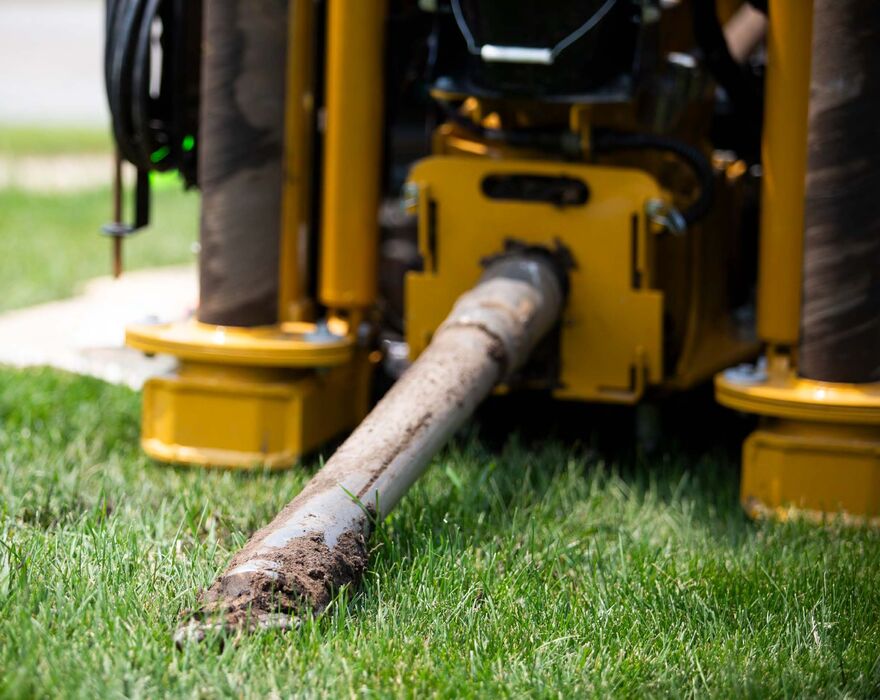
Start with your actual HDD job mix
The first step is not a supplier comparison. It is an honest look at what crews are actually being asked to do over the next 12 months. A few questions tend to surface what the spec really needs to deliver:
- How much of the work is short, repeatable and in familiar soils?
- How much involves longer footage, mixed or unpredictable ground, tighter tolerances or heavier product pulls?
- Which crews consistently push rigs toward the higher end of their torque range?
- How often do bores require frequent heading corrections?
If the job mix is mostly predictable moderate-difficulty work, a cost-focused rod spec may be the right call. If a growing share of work involves difficult ground or aggressive steering demands, that same decision can quietly affect productivity through slowdowns, troubleshooting time and rods pulled from service before they should be. The mistake is not buying on value. The mistake is buying on value without connecting that decision to the real job mix.
Define the outcomes, then match HDD drill rod design to those outcomes
Once the job mix is clear, translate it into performance outcomes rather than a parts list. Four tend to cover utility HDD work:
- Connection integrity under expected torque
- Tolerance for cyclic bending and steering loads across varying ground conditions
- Predictable makeup and breakout behavior
- Sufficient drilling fluid flow capacity to help keep the bore stable and cuttings moving
Once those outcomes are explicit, “cheapest rod that fits” is no longer a complete answer. It is still possible to buy cost-effectively, but now the purchase is tied to a performance target rather than a price point.
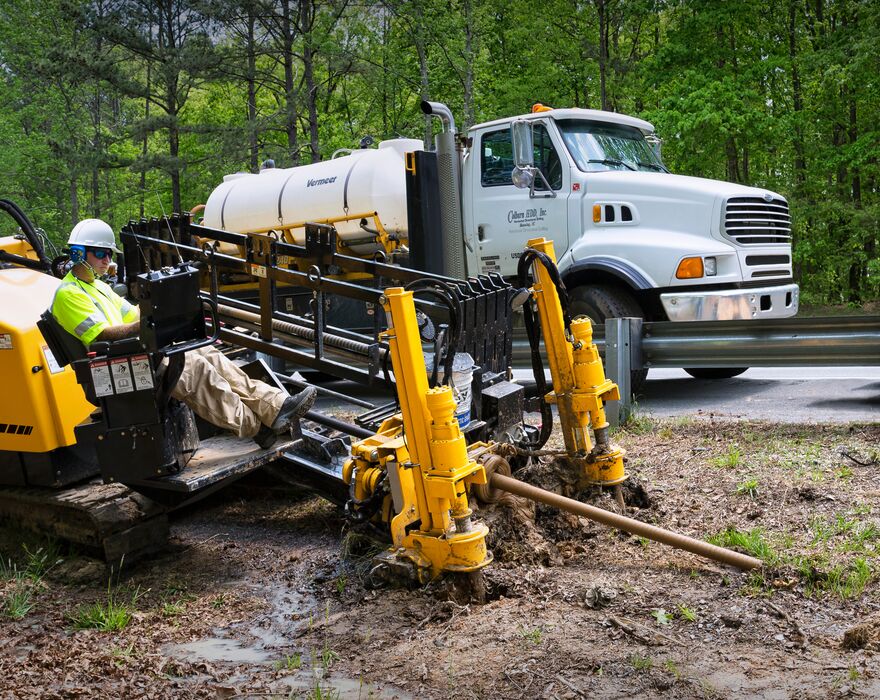
Evaluate the steel and the joint on your HDD drill rod
Most utility HDD drill rods are built from S135 alloy steel, a spec that originated in the oil and gas industry, engineered for vertical rigs that drill straight down. It was not designed for the cyclic bending and steering demands of utility HDD work, and that distinction matters when evaluating what is on your rack. Some manufacturers have developed HDD-specific alloys to address that gap. Vermeer Firestick® drill rod is one example, using a proprietary V145 blend rated at 145,000 lbs (65,770 kg) of tensile strength, with alloying elements chosen to reduce memory so the rod returns to straight after repeated steering corrections.
The joint deserves equal scrutiny. A well-engineered connection seats the nose, shoulder and thread flanks simultaneously at full torque, distributing load rather than concentrating it at any one surface. Inconsistent seating can lead to galling and shoulder wear that compounds across a string. When evaluating a supplier, ask how the joint is designed to seat at full torque and how tightly manufacturing tolerances are held from rod-to-rod. Thread inspection discipline and per-stick traceability also vary significantly between manufacturers and are worth asking about directly.
Do not mix HDD drill rods in the same rack
Choosing a rod is only half the decision. The other half is protecting it in the field, and that starts with a simple rule: do not mix drill rods from different sources in the same rack.
When you lose track of what is on the string, you lose control of how it behaves. Inconsistencies that are not visible at makeup have a way of showing up mid-bore when they are hardest to deal with.
Standardize on a rod, mark the racks clearly and make it a crew habit. That is not bureaucracy. It is productivity protection.
Convert the HDD drill rod decision to cost-per-foot (per meter)
Rod price per stick is easy to compare. Cost per foot (per meter) across a job cycle is what matters. A useful evaluation accounts for:
- Expected wear and fatigue life
- Lost-time risk from inconsistent connections or early rod retirement
- Fieldwork friction that does not show up on the tool cost line, including troubleshooting, swapping components, re-planning mid-bore and the compounded cost of getting back to drilling
A rod that costs more per stick can be significantly cheaper per foot when wear life and connection reliability are factored in across a full season.
Buy fewer surprises with a smarter HDD drill rod strategy
Productive operations are built on predictability, not perfection. When drill rod decisions are matched to the actual job mix, when connection design and steel quality are weighed alongside price, when a no-mixing policy is enforced and when the comparison runs all the way to cost-per-foot, drill rod stops behaving like a line item and starts behaving like a margin lever.
For more information about Firestick drill rod or any of the cutting-edge solutions from Vermeer, visit borestore.com or contact your local Vermeer dealer.
Vermeer Corporation reserves the right to make changes in engineering, design and specifications; add improvements; or discontinue manufacturing at any time without notice or obligation. Equipment shown is for illustrative purposes only and may display optional accessories or components specific to their global region. Please contact your local Vermeer dealer for more information on machine specifications. Vermeer, the Vermeer logo and Firestick are trademarks of Vermeer Manufacturing Company in the U.S. and/or other countries. © 2026 Vermeer Corporation. All Rights Reserved.