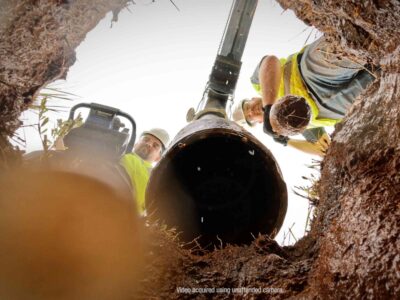
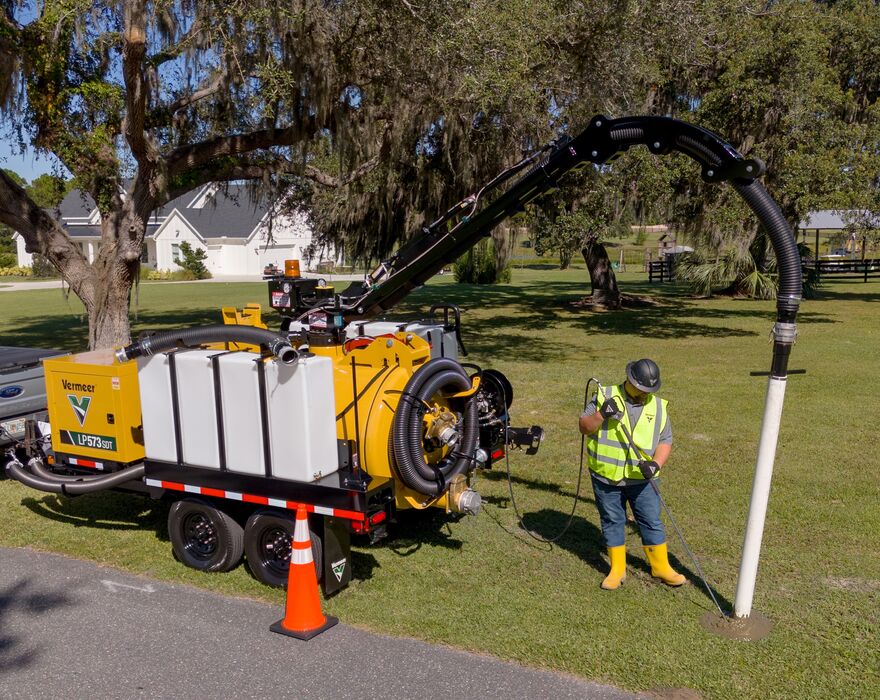
Vacuum excavation, sometimes called hydro-excavation, pairs pressurized water with high-flow suction. The water loosens the ground and the vacuum carries the spoil to a debris tank, so a crew can dig around buried lines without putting a bucket anywhere near them. That same suction works on slurry, sediment and standing water too, which means the machine that potholes in the morning can clean out a catch basin by afternoon.
That range is why vacs keep showing up in fleets well beyond the utility market. Here are 21 ways a vacuum excavator goes to work, from soft digging to fluid recovery.
Vacuum excavator potholing and daylighting for utility locating
This is the work the vac is best known for, and it is still where the machine proves itself first.
- 811 locating work. When a locate ticket calls for visual confirmation, crews pothole over the marked line to verify its exact depth and position before excavation begins.
- Horizontal directional drilling (HDD) support. HDD contractors pothole the bore path to verify crossings, then vacuum up drilling fluid slurry at the entry and exit pits to keep the site clean.
- Municipal utility work. Water, sewer, street and traffic lighting departments expose their own infrastructure for repair and replacement across the public right-of-way.
- Airport projects. Crews soft dig around runway lighting and buried cable, where a damaged line can take part of an airfield out of service.
- Slot trenching. High-pressure water cuts a narrow, continuous trench to trace a utility or open a path for a new line with far less surface restoration than a mechanical cut.
Digging holes for poles, posts and footings with a vacuum excavator
When the job calls for a clean hole next to something that cannot be disturbed, the vac digs it.
- Power pole holes. Crews dig holes for new poles and work around existing poles that already have live lines tied into them.
- Sign footings. Sign companies dig footings close to buried utilities without disturbing the lines.
- Fence post holes. Fence contractors dig post holes along property lines and shared rights-of-way without striking what is buried below.
- Cemetery digging. Operators work in tight spots between markers and dig foundations for headstones while leaving the surrounding grounds intact.
Vacuum excavation for valve and meter access
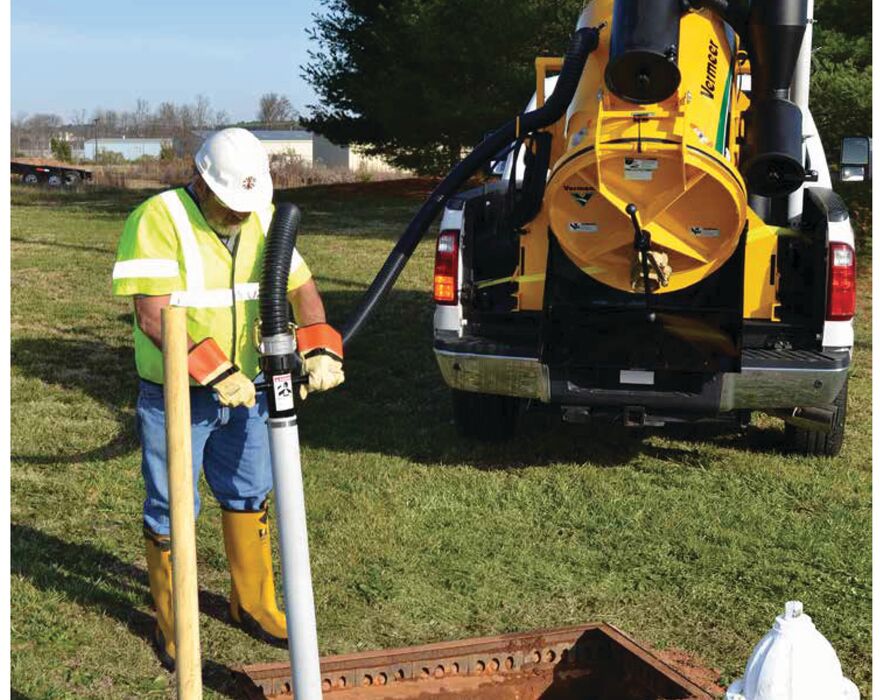
Some of the work is not about new construction at all. It is about reaching what is already in the ground.
- Valve exercising. Crews expose buried valves so maintenance teams can exercise them on schedule.
- Meter box cleanup. The vacuum clears soil, water and debris out of meter pits and boxes so technicians can reach the meter.
Vacuum excavator applications for industrial and energy sites
On plant and pipeline sites, the vac splits its time between digging and cleanup. The work stays in soil and grey water.
- Industrial plant work. Processing and manufacturing facilities put vacs on digging and cleanup tasks anywhere the job involves dirt.
- Oil and gas pipeline work. Crews dig bell holes to expose pipe for inspection and repair, then recover the soil and grey water the work produces.
- Refinery work. Around process units and plant equipment, the vac handles soil excavation and grey water cleanup.
- Power plant work. Generation sites use vacs the same way, digging in dirt and recovering grey water around equipment.
Vacuum excavator applications for soil, slurry and material handling
The same airflow that lifts spoil can move whatever material the job calls for.
- Landscape material handling. Landscape crews move mulch, light stone and soil into and out of spots a loader cannot reach.
- Concrete cutting slurry recovery. Cutting and coring crews vacuum up wet silica slurry as it is produced instead of letting it dry on the slab.
- Equine and ag property work. On horse farms and other ag properties, the vac takes on soil and grey water jobs.
Fluid recovery and cleanup with a vacuum excavator
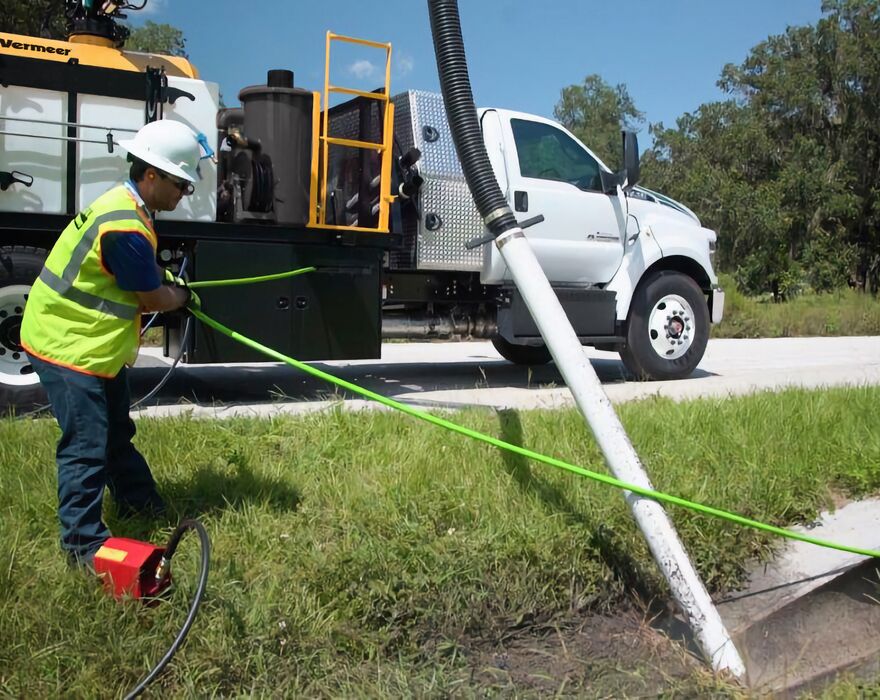
No digging here. The vacuum side of the machine carries these jobs on its own.
- Sump and catch basin cleanout. Crews pull grey water and sediment out of collection sumps and catch basins, including the sumps at vehicle wash facilities.
- Storm and spill cleanup. After a storm or a spill, the vac recovers standing water, grey water and sediment so the site can get back to work.
Plumbing and jetting. A jetter attachment turns the vac into a combination unit that clears lines with high-pressure water and vacuums up what comes out.
Vacuum excavator FAQs
What is the difference between vacuum excavation and hydro-excavation?
They describe the same method. Hydro-excavation refers to soft digging with pressurized water and vacuum recovery, and the terms are used interchangeably across the industry.
What size vacuum excavator do I need?
Match the machine to how much you dig, how tight the access is and what you are hauling out. Compact trailer vacs cover potholing and combo work while high-capacity truck vacs take on production digging and high-volume recovery.
How to match a vacuum excavator to the application
The Vermeer lineup runs from compact units around 580 cfm (16.4 m3/min) to truck-mounted vacuum excavators delivering 6,400 cfm (181.2 m3/min), so spoil volume, site access and haul distance decide the machine as much as the application does. A trailer vacuum excavator like the Vermeer VX75 suits potholing, slurry management and combo work where portability matters. The ECO series mounts on a truck bed or crawler carrier a contractor already owns. Truck vacs like the VXT400, VXT500 and VXT600 add the airflow and spoil capacity that production work demands.
To talk through which vacuum excavator fits your operation, contact your local Vermeer dealership.
Vermeer MV Solutions, Inc. reserves the right to make changes in engineering, design and specifications; add improvements; or discontinue manufacturing at any time without notice or obligation. Equipment shown is for illustrative purposes only and may display optional accessories or components specific to their global region. Please contact your local Vermeer dealer for more information on machine specifications. Vermeer and the Vermeer logo are trademarks of Vermeer Manufacturing Company in the U.S. and/or other countries.